
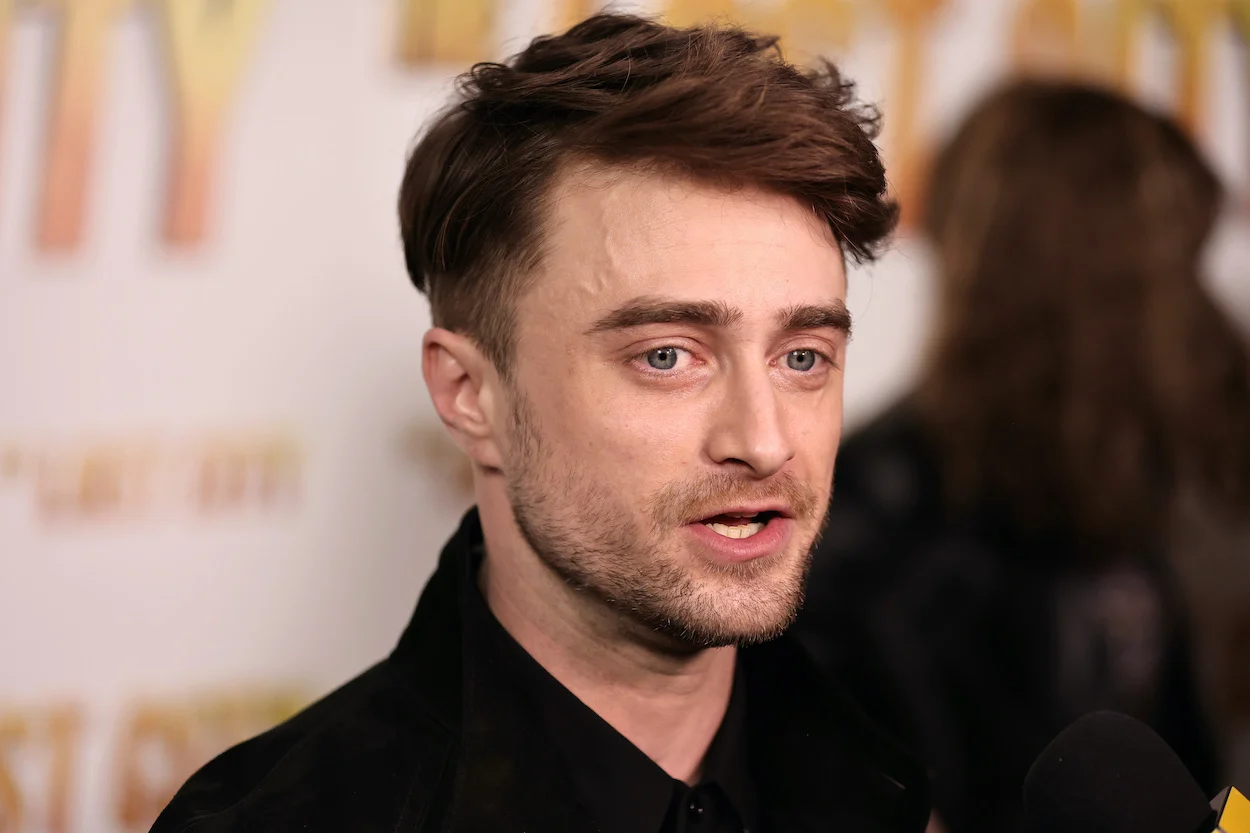
Introduction to Daniel Radcliffe Eye Color
When people think of Daniel Radcliffe, one of the first things that often comes to mind—Daniel Radcliffe Eye Color aside from his legendary role in Harry Potter film series—is his striking eye color. It’s one of those subtle yet memorable features that has sparked curiosity among fans for years. Is it blue? Green? Something else entirely? The answer is simple on the surface but becomes surprisingly interesting when you dig deeper.
In this article, we’ll explore everything you need to know about Daniel Radcliffe’s eye color, from the real facts to the cinematic changes that shaped how millions of fans perceive him.
What Is Daniel Radcliffe’s Natural Eye Color?
Daniel Radcliffe’s natural eye color is blue. This is not speculation or fan theory—it has been confirmed in interviews, public appearances, and countless close-up photographs Daniel Radcliffe Eye Color over the years. His blue eyes are a defining part of his appearance, especially when seen under natural lighting where their brightness stands out even more.
Interestingly, his eye color is not just a random physical trait—it contributes to his overall on-screen presence. Blue eyes often appear more expressive on camera, Daniel Radcliffe Eye Color especially in emotional scenes, which may be one reason why Radcliffe’s performances feel so engaging. Whether he’s portraying vulnerability, fear, or determination, his eyes play a key role in communicating those emotions.
Another important detail is that his eye color can sometimes appear to shift slightly depending on lighting conditions. Under warm lighting, his blue eyes might look a bit grayish, while under bright daylight, they appear more vibrant and clearly blue. Daniel Radcliffe Eye Color This natural variation has led to occasional confusion among fans.
It’s also worth noting that blue eyes are relatively less common globally compared to brown eyes, which makes Radcliffe’s look a bit more distinctive. This uniqueness has contributed to his recognizable appearance, even outside of his famous roles.
Why Harry Potter Didn’t Have Blue Eyes in the Films
Fans of the original Harry Potter series might remember a key detail: Harry Potter is repeatedly described as having green eyes. So why didn’t Harry Potter have green eyes in the movies?
The filmmakers initially intended to stay true to the books by giving Daniel Radcliffe green eyes using colored contact lenses. However, this plan quickly ran into a problem. Daniel Radcliffe Eye Color Radcliffe experienced an allergic reaction to the contacts, which caused irritation and discomfort. Since he was the lead actor and would be wearing them for long shooting hours, the production team decided it wasn’t practical.
As a result, they chose to keep his natural blue eye color instead. This decision turned out to be more important than it might seem. Daniel Radcliffe Eye Color Comfort and performance were prioritized over strict visual accuracy, allowing Radcliffe to fully focus on his acting rather than dealing with physical discomfort.
Interestingly, author J.K. Rowling had one condition regarding this change: as long as the actress playing Harry’s mother had the same eye color, the continuity would still work. This detail was crucial because of the famous line, “You have your mother’s eyes.”
While the films didn’t always perfectly maintain this consistency, Daniel Radcliffe Eye Color the emotional impact of the story remained intact. In the end, Radcliffe’s natural blue eyes became an accepted and iconic part of the character.
The Role of Eye Color in Daniel Radcliffe’s On-Screen Identity
Eye color might seem like a minor detail, but in the world of film and television, it can significantly influence how an actor is perceived. In Daniel Radcliffe Eye Color’s case, his blue eyes have become part of his cinematic identity.
Blue eyes often convey a sense of openness, innocence, and emotional depth—qualities that aligned perfectly with the early portrayal of Harry Potter. Daniel Radcliffe Eye Color As the character evolved into a more complex and darker figure, Radcliffe’s eyes continued to play a crucial role in expressing internal conflict and growth.
Directors and cinematographers frequently use lighting techniques to highlight an actor’s eyes, and Radcliffe’s are no exception. Close-up shots in Daniel Radcliffe Eye Color the Harry Potter films often emphasize his gaze, drawing viewers into the emotional core of the scene. His eye color, combined with his acting skills, creates a powerful visual connection with the audience.
Beyond Harry Potter, Radcliffe has taken on a wide range of roles in independent films and theater. In each of these performances, his eyes remain a subtle Daniel Radcliffe Eye Color yet impactful tool. Whether he’s playing a troubled character or a comedic role, his expressive gaze adds depth to his performances.
It’s also worth mentioning that fans often associate Daniel Radcliffe Eye Color certain physical traits with specific actors, and eye color is a big part of that. For Radcliffe, his blue eyes are as recognizable as his voice or facial expressions.
Common Misconceptions About Daniel Radcliffe’s Eye Color
Despite clear evidence, there are still several misconceptions about Daniel Radcliffe Eye Color’s eye color. One of the most common is that his eyes are green, likely due to the influence of the Harry Potter books.
Another misconception is that his eye color changes dramatically over time. While lighting and camera effects can create the illusion of different shades, his eyes remain consistently blue. Variations in appearance are usually due to external factors rather than any actual change.
Some fans also believe that digital effects were used to alter his eye color in the films. While modern filmmaking does allow for such changes, Daniel Radcliffe Eye Color there’s no widespread evidence that this was done for Radcliffe’s eyes in the Harry Potter series. The decision to keep his natural eye color was largely practical and remained consistent throughout the films.
There’s also occasional confusion caused by edited photos or fan art, where his eyes may be altered to match the book description. Daniel Radcliffe Eye Color While these images can be visually appealing, they don’t reflect reality.
Understanding these misconceptions helps clarify why there’s still debate around something as simple as eye color. It shows how storytelling, visual media, and fan expectations can sometimes blur the line between fiction and reality.
How Lighting and Cinematography Affect Eye Color Perception
One fascinating aspect of eye color—especially in film—is how much it can be influenced by lighting and cinematography. Daniel Radcliffe’s blue eyes are a perfect example of this phenomenon.
In brightly lit scenes, particularly those shot outdoors, his eyes appear vibrant and clearly blue. However, in darker or moodier scenes, they can look muted, sometimes even gray. This is not a change in eye color but rather a result of how light interacts with the iris.
Cinematographers often use specific lighting setups to enhance or soften certain features. For example, a cool-toned light can make blue eyes appear more intense, while warm lighting can reduce their brightness. These techniques are commonly used in films to match the tone of a scene.
Camera quality and color grading also play a role. Post-production processes can subtly adjust colors to create a cohesive visual style, which may affect how eye color is perceived on screen. However, these changes are usually minor and don’t fundamentally alter the actor’s natural features.
For viewers, this means that what you see on screen isn’t always an exact representation of reality. In Radcliffe’s case, his eye color may appear slightly different from one scene to another, but it remains inherently blue.
Why Fans Are So Curious About Celebrity Eye Colors
You might wonder why something as simple as eye color generates so much interest. The answer lies in the way fans connect with celebrities.
Physical traits like eye color, hair color, and height help fans feel closer to the people they admire. In the case of Daniel Radcliffe, his role as Harry Potter made him a global icon, and fans naturally became curious about every detail of his appearance.
There’s also an element of comparison. Fans often like to compare book descriptions with film adaptations, and eye color is one of the most noticeable differences in the Harry Potter series. This has kept the conversation alive for years.
Social media has amplified this curiosity. Close-up photos, interviews, and behind-the-scenes footage allow fans to examine details more closely than ever before. As a result, even minor features like eye color can become topics of discussion.
Finally, there’s a psychological aspect. Daniel Radcliffe Eye Color are often considered the most expressive part of the face, so people tend to focus on them more. This makes eye color an especially memorable and चर्चा-worthy trait.
Conclusion:
At the end of the day, Daniel Radcliffe’s eye color is more than just a physical detail—it’s part of what makes him instantly recognizable. His natural blue eyes have played a subtle but important role in shaping his on-screen presence and connecting with audiences around the world.
While they may not match the original description of Harry Potter from the books, they have become iconic in their own right. Over time, fans have embraced this difference, and it’s now hard to imagine anyone else in the role.
The story of his eye color also highlights an important aspect of filmmaking: sometimes, practical decisions lead to unexpected and lasting results. What started as a workaround for a contact lens issue became a defining feature of one of cinema’s most beloved characters.









Leave a Reply